
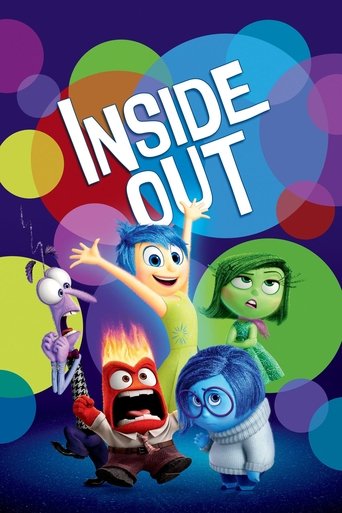
 7.9Inside Out2015 · Movie
KrazyZone
204 animated movies and series in eight zones, each with its voice cast, its rating and a Watch now button.
Movies
See all 140 →7.9Inside Out2015 · Movie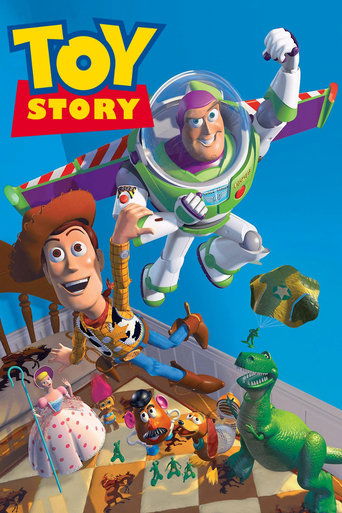 8.0Toy Story1995 · Movie
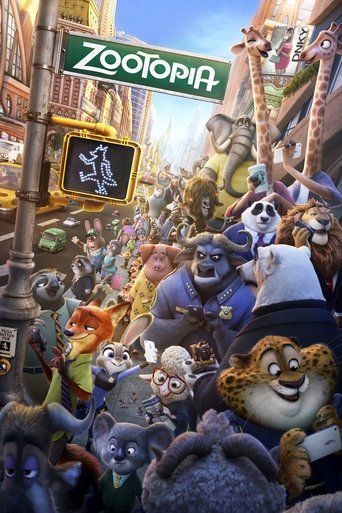 7.8Zootopia2016 · Movie
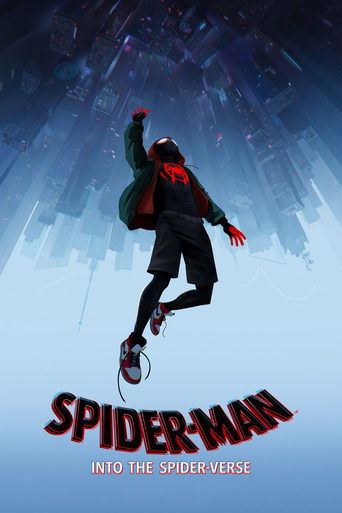 8.4Spider-Man: Into the Spider-Verse2018 · Movie
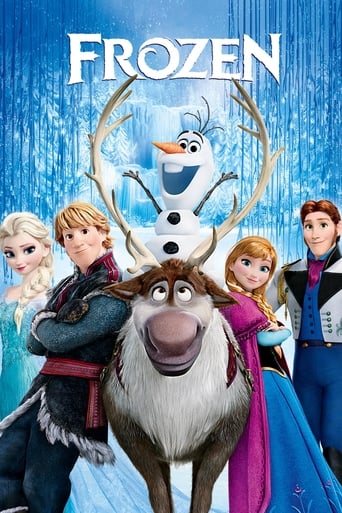 7.2Frozen2013 · Movie
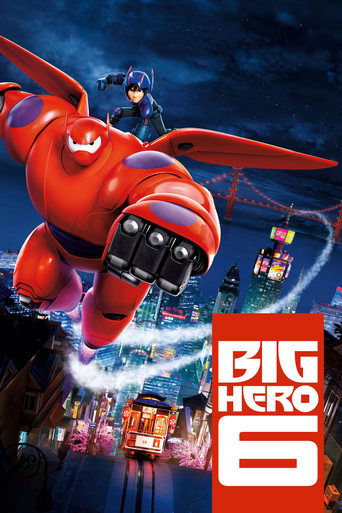 7.7Big Hero 62014 · Movie
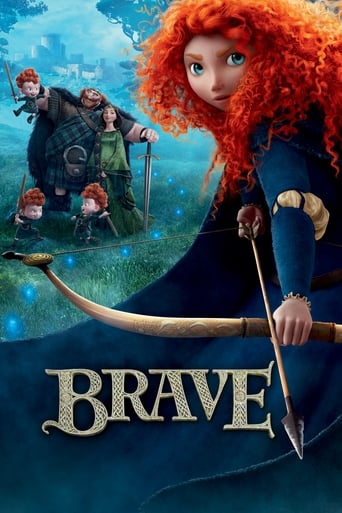 7.0Brave2012 · Movie
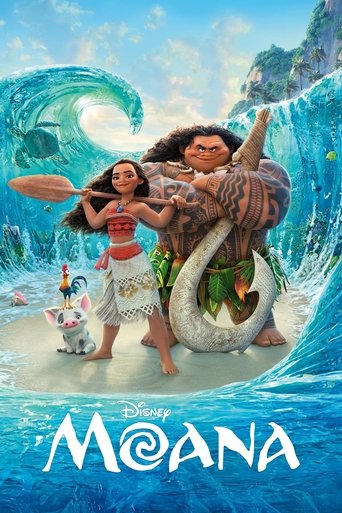 7.6Moana2016 · Movie
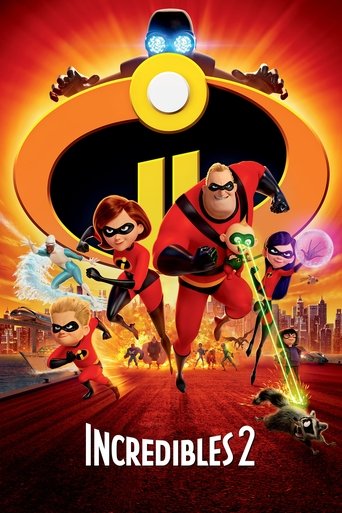 7.5Incredibles 22018 · Movie
 7.4Wreck-It Ralph2012 · Movie
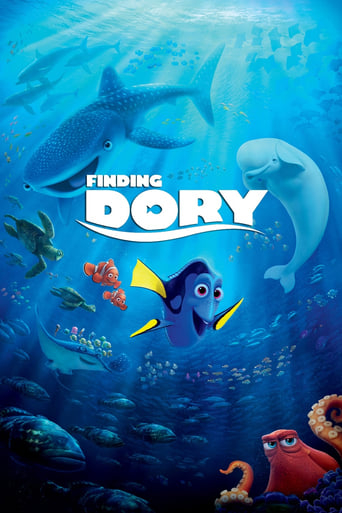 7.0Finding Dory2016 · Movie
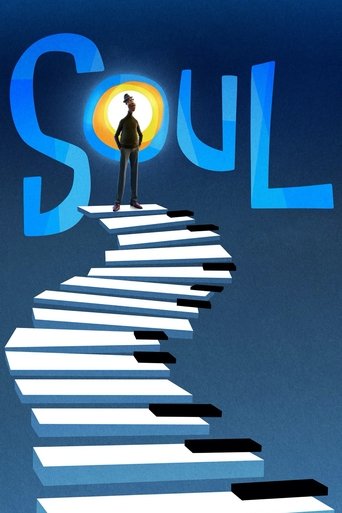 8.1Soul2020 · Movie
Cartoon series
See all 64 →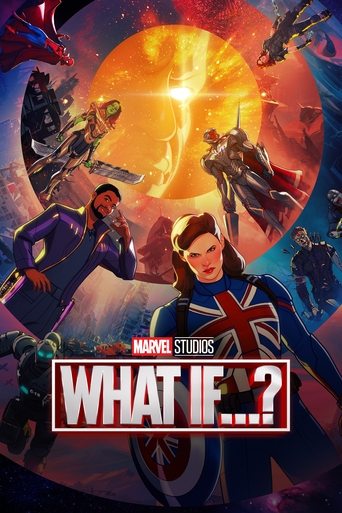 8.0What If...?2021 · Series
 8.6Gravity Falls2012 · Series
 7.7SpongeBob SquarePants1999 · Series
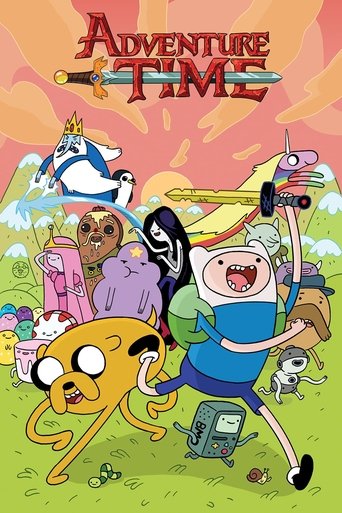 8.5Adventure Time2010 · Series
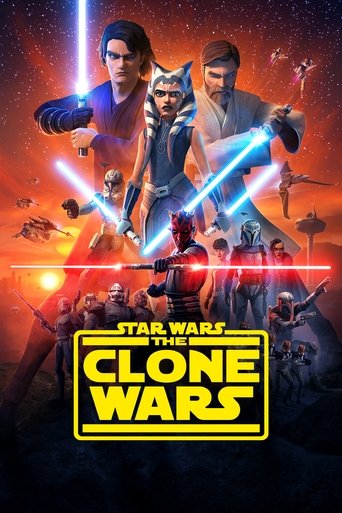 8.5Star Wars: The Clone Wars2008 · Series
 8.6Regular Show2010 · Series
 7.0Fast & Furious Spy Racers2019 · Series
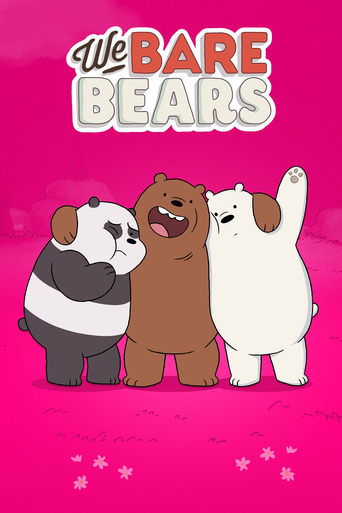 7.7We Bare Bears2015 · Series
 8.1Ben 102005 · Series
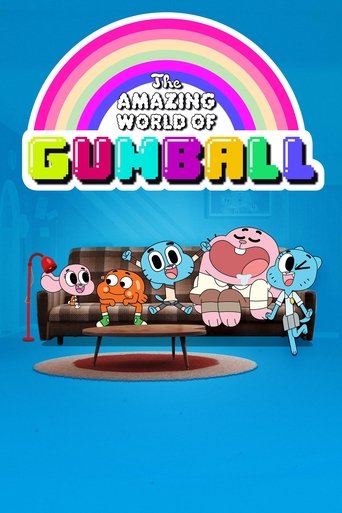 8.5The Amazing World of Gumball2011 · Series
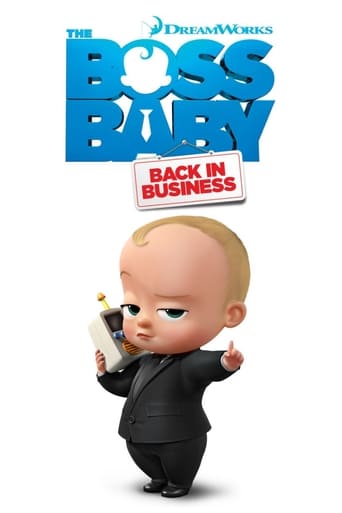 7.1The Boss Baby: Back in Business2018 · Series
 8.2Courage the Cowardly Dog1999 · Series
Animal zone
See all 83 →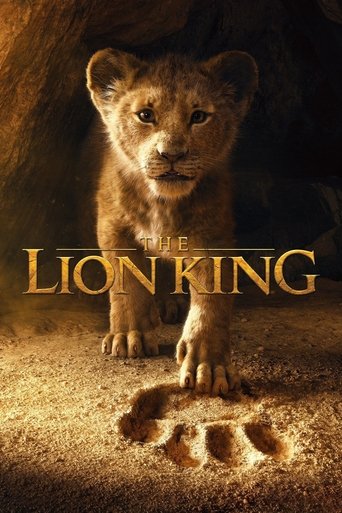 7.1
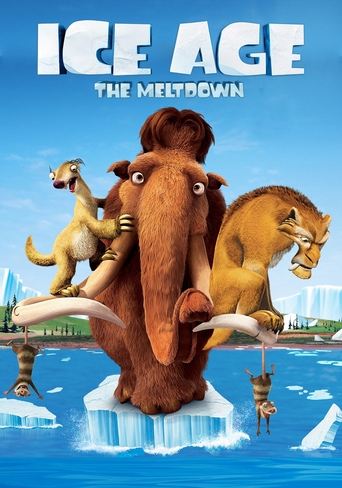 6.7
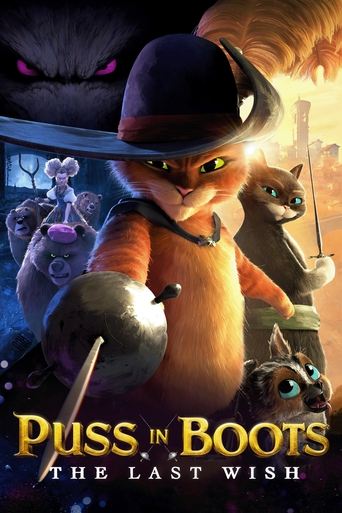 8.2
 6.3
 7.1
 7.4
Hero zone
See all 32 → 7.4
 7.0
 6.6
 7.3
 6.9
 7.5
Music zone
See all 33 →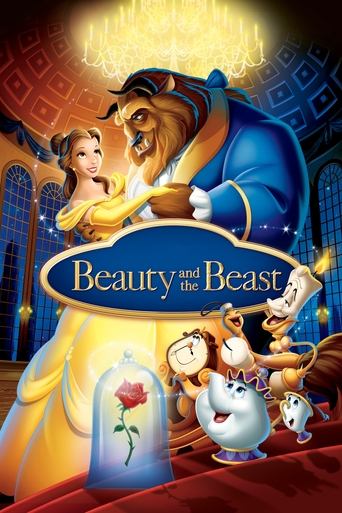 7.7
 7.2
 7.6
 7.5
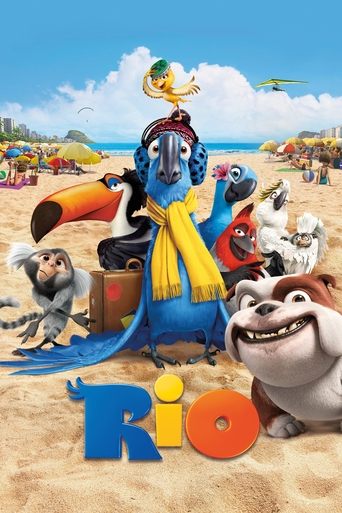 6.8
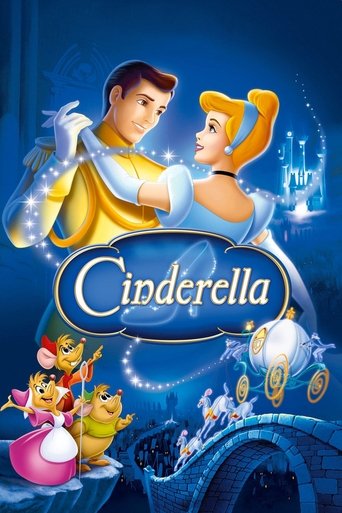 7.1
Hand-drawn classics
See all 17 →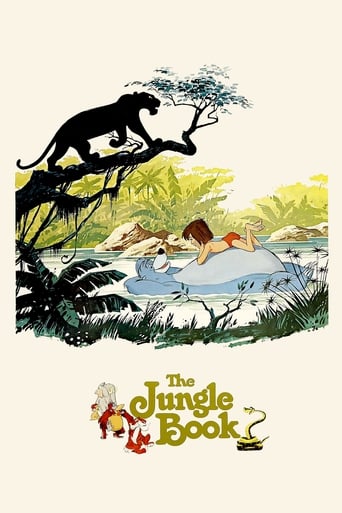 7.3
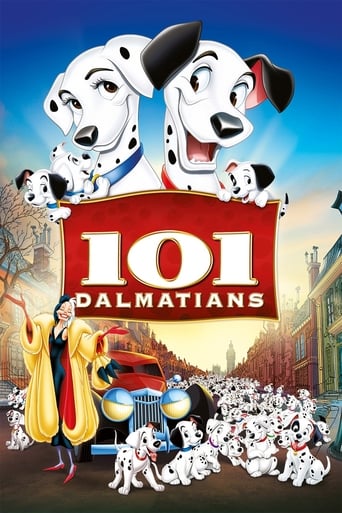 7.2
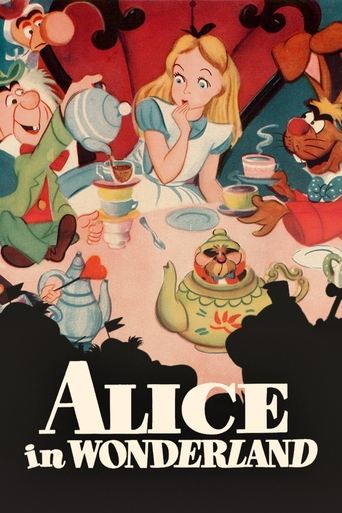 7.2
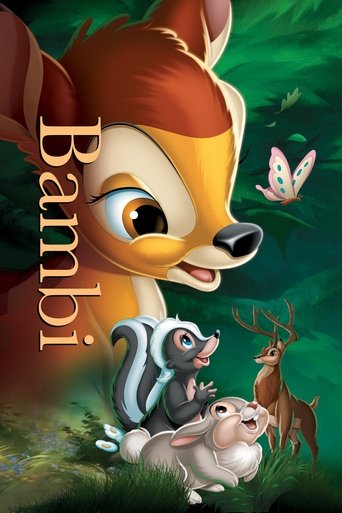 7.0
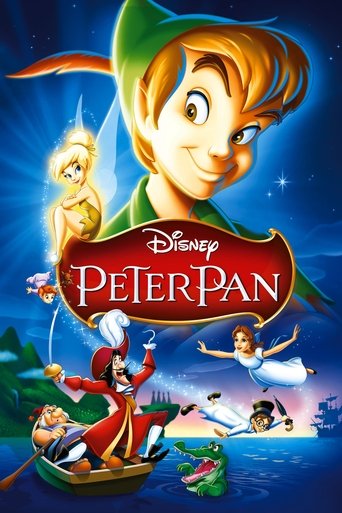 7.2
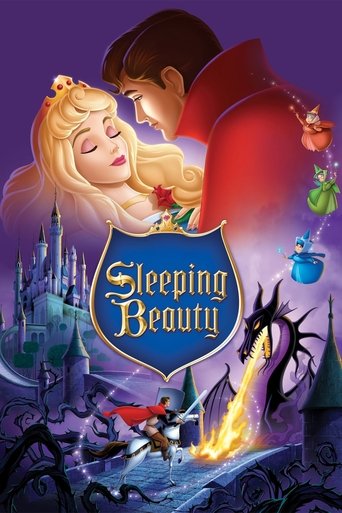 6.9
The KrazyZone guide to cartoons
KrazyZone: cartoons and animated movies, from Toy Story, Inside Out and Zootopia to Gravity Falls, Bluey and SpongeBob SquarePants
Animation is the one kind of filmmaking in which anything that can be drawn can happen. A sponge can hold a job as a fry cook, a rabbit can join the police, a boy's feelings can argue with one another at a control desk, and a cowboy doll can have a crisis of confidence because a spaceman has arrived in the toy box. KrazyZone is a guide to that freedom. It lists 204 titles: 140 animated movies, which together run for about 219 hours and are the work of 147 directors, and 64 cartoon series, which add up to 340 seasons and 9,315 episodes. The oldest title dates from 1940 and the newest from 2024.
The name promises a little madness, and cartoons deliver it honestly. The best of them are built on a wild idea followed through with great discipline. Toy Story asks what toys do when the bedroom door closes and answers with a friendship as carefully written as any in live action. Inside Out turns the mind of an eleven-year-old into a workplace staffed by Joy, Sadness, Anger, Fear and Disgust. SpongeBob SquarePants has spent 689 episodes in a pineapple under the sea. The zone exists to help a visitor find the right kind of madness for the evening.
Everything here has been chosen for a family audience. The catalogue is sorted into eight zones, which appear on the home page as coloured tiles: animals, heroes, music, fairy tales, Pixar, Disney, DreamWorks and series. Ten further lists divide the titles by kind of story and by period. This guide tours each zone in turn, names the titles to open first and explains how the site works; the short version is in How to watch with KrazyZone.
How the zone works
The home page is laid out like a page from a comic book. Under the black bar sits a blue panel with a yellow starburst and the heading, and under that come the eight zone tiles, each tilted a little and each carrying a count. Pressing a tile opens the full list for that zone. Below the tiles run six rows of posters with thick black outlines: movies, cartoon series, the animal zone, the hero zone, the music zone and the hand-drawn classics. Every poster wears its score on a yellow tab in the corner, and the label under each row leads to the complete list.
A title page gives the year, the length, the rating, the voice cast, the director or creator and a summary, and a series page adds every season with its episode count. Beside the Watch now button is a country selector. Choose a country, press the button, and the title opens on JustWatch, which shows the subscription, rental, purchase and free services that carry it there. KrazyZone is a guide; the watching happens on those official services.
There are four ways to reach a title, set out in Finding a cartoon: the zone tiles, the search box, the lists page and the A to Z index. The list feature is called My Stash. It keeps a pile of titles to watch in the browser on the device in use, and the My Stash page explains how to add to it, clear it and save it as a file.
The animal zone
Talking animals are the oldest inhabitants of the cartoon world, and the largest zone holds eighty-three titles. The animal guide sorts them by habitat. Zootopia imagines a city designed for every size of mammal, with small doors for mice and tall trains for giraffes, and tells a detective story inside it: Judy Hopps, the first rabbit on the force, teams up with Nick Wilde, a fox who lives on his wits. The film is funny about a sloth at a licence counter and thoughtful about prejudice, and children follow both layers easily.
The savannah has its dynasty. The catalogue holds the 2019 version of The Lion King, directed by Jon Favreau with computer imagery so detailed that it resembles a nature film, along with The Lion King II: Simba's Pride and The Lion King 1½, which retells the first story from the point of view of a meerkat and a warthog. Those two have their own series, Timon and Pumbaa. From the zoo comes Madagascar: Escape 2 Africa, in which a lion, a zebra, a giraffe and a hippo from New York meet their wild relatives, and from the jungle comes The Jungle Book, the 1967 film whose songs for a bear and an orangutan are among the most joyful ever recorded.
Pets have a zone within the zone. The Secret Life of Pets and its sequel show what dogs, cats and one fluffy rabbit do in Manhattan apartments once their owners leave for work. Bolt follows a dog who stars in a television series and believes his powers are real. One Hundred and One Dalmatians, from 1961, was the first Disney feature to use photocopied drawings, which is why its lines look so lively, and its spotted cast remains the largest in the catalogue. The Aristocats sends a family of Parisian cats home across the French countryside, and The Fox and the Hound tells of two friends who are expected to become enemies.
Birds and sea creatures add colour. Rio and Rio 2 follow a blue macaw from Minnesota to Brazil; Happy Feet gives an emperor penguin who is unable to sing a talent for tap dancing; Surf's Up films a penguin surfing contest as though it were a sports documentary; and Migration takes a family of ducks on their first journey south. Finding Dory returns to the ocean of an earlier classic with a forgetful blue tang in the lead, and Chicken Run, made by Aardman with clay figures, stages a great escape from a Yorkshire farm.
The series are just as rich. Bluey, made in Brisbane, follows a six-year-old Blue Heeler puppy, her sister Bingo and their parents through games that fill seven minutes and often say more about family life than a feature film. We Bare Bears sets three brothers, a grizzly, a panda and a polar bear, loose in San Francisco. Courage the Cowardly Dog lives on a farm in the middle of Nowhere, Kansas, where strange visitors arrive weekly and a small pink dog protects his owners in spite of his nerves.
The hero zone
Thirty-two titles feature capes, masks and secret identities, and the hero guide begins with the film that changed how animated heroes look. Spider-Man: Into the Spider-Verse, released in 2018, tells the story of Miles Morales, a Brooklyn teenager who gains spider powers and then meets other spider-heroes from parallel worlds. Its images imitate printed comics, with dots, panels and captions on screen, and it won the Academy Award for animated feature. Its rating of 8.4 is the highest of any movie in the zone.
Big Hero 6 pairs a young inventor in a city that blends San Francisco and Tokyo with Baymax, an inflatable nurse robot who becomes the gentlest hero in the catalogue. Incredibles 2 sends Elastigirl out to work while Mr. Incredible stays home with three children, one of whom is a baby with a surprising number of powers. Megamind tells its story from the side of a blue-headed schemer who finally wins and finds victory dull. The Lego Batman Movie teases the Dark Knight for brooding, and The Lego Movie makes a hero of an ordinary construction worker.
Television has carried animated heroes for forty years. The 1987 Teenage Mutant Ninja Turtles ran for 193 episodes and made four pizza-loving brothers world famous. X-Men, from 1992, and Spider-Man, from 1994, brought long comic-book storylines to Saturday mornings; X-Men '97 picked up the first of them three decades later and currently holds the highest rating in the whole zone, 8.7. The Spectacular Spider-Man needed only twenty-six episodes to earn 8.6 and a devoted following. Justice League and Justice League Unlimited gathered Superman, Batman, Wonder Woman and dozens of colleagues, and The Avengers: Earth's Mightiest Heroes did the same for the other great comics publisher.
Younger heroes fill out the zone. In Ben 10 a ten-year-old finds a watch that turns him into ten different creatures. Kim Possible saves the world between cheerleading practice and homework. The Powerpuff Girls, created by Craig McCracken, were made from sugar, spice and one accidental ingredient, and defend the city of Townsville before bedtime. Danny Phantom is half ghost, Teen Titans Go! plays its team for laughs, and Ninjago: Masters of Spinjitzu has trained its brick-built ninja for 210 episodes.
The music zone
Thirty-three titles belong to the music zone, and the music guide starts with the films that revived the animated musical. The Little Mermaid, in 1989, brought the composer Alan Menken and the lyricist Howard Ashman to Disney, and their songs, written in the manner of a Broadway show, gave each character a number that advanced the plot. Beauty and the Beast followed in 1991 and became the first animated feature nominated for the Academy Award for best picture; its ballroom scene, with a camera sweeping around two dancers, was an early marriage of drawing and computer.
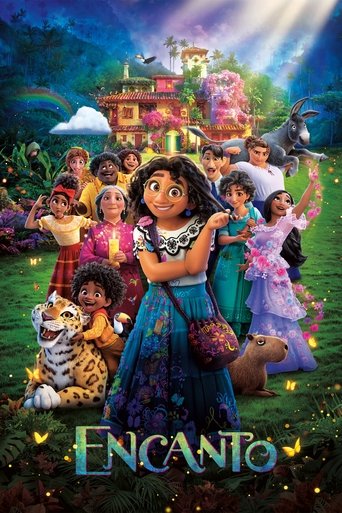
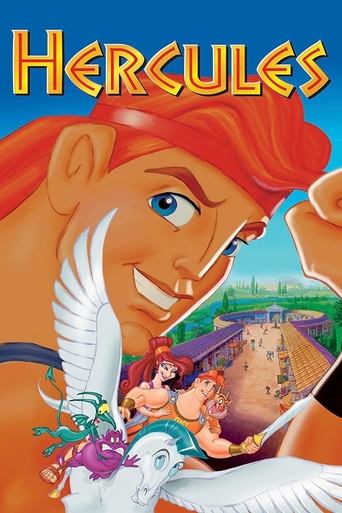
The tradition continued through Pocahontas, The Hunchback of Notre Dame, Hercules, with its gospel chorus of Muses, and Tarzan, with songs by Phil Collins. The Princess and the Frog moved the form to New Orleans and filled it with jazz. Then came Frozen, whose anthem of release was sung in every playground on earth, and Frozen II, which sent its sisters north into an enchanted forest. Moana and Encanto both carry songs by Lin-Manuel Miranda; the first sails across the Pacific, and the second stays inside one magical house in Colombia with a family in which every member but one has a gift.
Other studios took other routes to music. Sing and Sing 2 stage talent contests among animals, with a koala as impresario and a shy elephant with a great voice. Trolls and Trolls World Tour are bright jukebox comedies, the second dividing its world into tribes of pop, rock, country, funk, techno and classical. The Prince of Egypt is an epic with songs by Stephen Schwartz, and Anastasia, from the director Don Bluth, sets a lost princess on the road to Paris with a waltz. Soul is a film about a jazz pianist on the day of his big chance, and Fantasia, the oldest title in the zone, simply illustrates great orchestral music with dancing mushrooms, flying horses and a sorcerer's apprentice with too many brooms.
The fairy-tale zone
Forty titles deal in princesses, dragons and magic, and the fairy-tale guide opens with the classics. Cinderella, from 1950, restored the fortunes of its studio with a pumpkin coach and a dress transformed in a swirl of light. Alice in Wonderland followed a white rabbit a year later, Peter Pan flew over London in 1953, and Sleeping Beauty, from 1959, was drawn in a style borrowed from medieval tapestry that makes it the most elegant of the group. The Sword in the Stone turns the boyhood of King Arthur into a series of lessons from Merlin.
Modern fairy tales give their heroines more to do. In Brave, set in the Scottish Highlands, a princess who excels at archery quarrels with her mother and has to mend what she has broken. Raya and the Last Dragon sends a lone warrior across five lands in search of trust. Kubo and the Two Strings, made by Laika with puppets and paper, follows a boy in old Japan whose music brings origami to life. How to Train Your Dragon: The Hidden World closes a much-loved trilogy about a Viking and his dragon, and Puss in Boots: The Last Wish gives a swaggering cat one life left and a reason to value it.
On television, The Dragon Prince builds a world of six kinds of magic across seven seasons, and Trollhunters: Tales of Arcadia, created by Guillermo del Toro, hides a kingdom of trolls beneath an American suburb and earns a rating of 8.5. My Little Pony: Friendship Is Magic and Star vs. the Forces of Evil show how much warmth and wit the form can hold.
Pixar
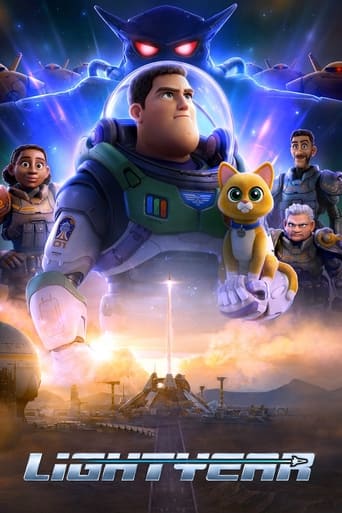
Fourteen titles come from Pixar, and the Pixar guide begins in 1995. Toy Story was the first feature film made entirely with computer animation, yet its makers always said that the technology mattered less than the script. Woody, voiced by Tom Hanks, is the favourite toy of a boy named Andy; Buzz Lightyear, voiced by Tim Allen, is the birthday present who threatens that position. Their rivalry, their adventure next door and their return make a perfect eighty-one minutes. Toy Story 4, twenty-four years later, adds a craft-project spork named Forky and gives Woody a new purpose, and Lightyear imagines the space adventure that made Andy want the toy.
The studio's habit is to ask how an inner life might look. Inside Out and Inside Out 2 visit the mind of a girl named Riley, first at eleven, when a move to a new city upsets her emotions, and then at thirteen, when Anxiety arrives with her luggage. Soul travels to a place where personalities are formed before birth. Elemental builds a city where fire, water, earth and air live side by side, and tells a love story between two residents who are advised to keep apart.
A second group is about growing up in a particular place. Luca spends a summer on the Italian Riviera with two sea creatures who look like boys when dry and dream of owning a scooter. Turning Red is set in Toronto in 2002, where a thirteen-year-old turns into a giant red panda whenever her feelings run high. Onward sends two elf brothers on a road trip in a suburban fantasy world. Monsters University shows how two famous colleagues met as students, and Finding Dory and Incredibles 2 return to familiar families.
Disney
Forty-nine titles carry the Disney name, the largest group from a single house, and the Disney guide divides them into three ages. The hand-drawn age runs from Fantasia in 1940 to The Fox and the Hound in 1981. Bambi, from 1942, is the shortest feature in the zone at seventy minutes and one of the most beautiful, its forest painted in soft washes. The director Wolfgang Reitherman, one of the studio's veteran animators, made six of the titles listed here, among them Robin Hood, with its fox in Lincoln green, and The Rescuers, about two mice from an international aid society.
The second age is the renaissance that began in 1989 and lasted through the 1990s, when a new musical arrived almost every year and each was an event. The third is the computer age, in which the studio learned from its sister company and found new subjects. Wreck-It Ralph takes place inside arcade games, where a villain grows tired of his role, and Ralph Breaks the Internet sends him online. Meet the Robinsons and Bolt prepared the ground, and Atlantis: The Lost Empire remains a handsome adventure in the style of a comic-book expedition.
Disney television is here as well. Gravity Falls, Phineas and Ferb, Kim Possible and Star vs. the Forces of Evil all began on its channels, Lilo & Stitch: The Series continues the story of a Hawaiian girl and her blue visitor, and Monsters at Work takes up a Pixar story the day after the film ends. A Goofy Movie, a road trip for a father and a teenage son, has grown into a favourite of the generation that first saw it in 1995.
DreamWorks
Twenty-nine titles come from DreamWorks, and the DreamWorks guide shows a studio with several personalities. Its early films were grand and hand-drawn: The Prince of Egypt, The Road to El Dorado and Sinbad: Legend of the Seven Seas. Its partnership with the British studio Aardman produced Chicken Run, Flushed Away and Wallace & Gromit: The Curse of the Were-Rabbit, in which an inventor and his silent, long-suffering dog protect a village's prize vegetables; that film won the Academy Award.
The studio's computer-animated comedies are quick and fond of a joke for the parents. Bee Movie puts a bee in a courtroom. Monsters vs Aliens recruits a team of 1950s film monsters to defend the planet. The Boss Baby imagines an infant in a suit who arrives by taxi with a briefcase, and Mr. Peabody & Sherman gives the cleverest dog in history a boy and a time machine. Kung Fu Panda 3 and Kung Fu Panda 4 continue the career of Po, the noodle-loving Dragon Warrior, and The Croods: A New Age introduces a cave family to neighbours with a tree house.
Two films show the studio at its most heartfelt. Rise of the Guardians unites Santa Claus, the Easter Bunny, the Tooth Fairy and the Sandman with a lonely newcomer, Jack Frost. Abominable sends a girl from Shanghai across China to return a young yeti to Mount Everest, with a violin and a little yeti magic that makes flowers bloom. On television the studio has extended its worlds with DreamWorks Dragons, The Boss Baby: Back in Business and Kung Fu Panda: The Paws of Destiny.
Illumination, Blue Sky and Sony
Twenty-nine movies come from three further studios, described in the guide to Illumination, Blue Sky and Sony. Illumination found its fortune in small yellow assistants who speak a language of their own; Minions gives them a film to themselves, set in the 1960s, and Despicable Me 3 continues the family story they came from. The same studio made The Grinch, from the book by Dr. Seuss, and The Super Mario Bros. Movie, which turned a video game about two plumbers into one of the most successful animated films ever released.
Blue Sky, based near New York, is remembered for the prehistoric herd of Ice Age: The Meltdown and Ice Age: Collision Course and for a squirrel forever chasing one acorn. It also made Robots, a city of mechanical citizens designed with the illustrator William Joyce, Horton Hears a Who!, Epic, Ferdinand, about a gentle bull who prefers flowers, and Spies in Disguise, in which a secret agent is turned into a pigeon.
Sony Pictures Animation has the widest range. Cloudy with a Chance of Meatballs rains cheeseburgers on a small island, and Hotel Transylvania 3: Summer Vacation sends Dracula's family on a cruise. The Mitchells vs. the Machines is a road movie about a film-loving daughter, her outdoorsy father and a robot uprising, drawn as though the heroine had doodled over every frame. With the Spider-Verse film it shows how far computer animation has moved toward the look of a sketchbook.
Cartoon series
Sixty-four series fill the television side of the zone, and the series guide groups them by what they are for. Some are mysteries. Gravity Falls, created by Alex Hirsch, sends twelve-year-old twins named Dipper and Mabel to spend a summer with their great-uncle at a tourist trap in the Oregon woods. Every episode hides codes and clues, the forty episodes form one finished story, and the rating of 8.6 reflects a series that respects its audience. Scooby-Doo! Mystery Incorporated and What's New, Scooby-Doo? carry on the oldest formula in cartoons, four teenagers, a van and a Great Dane with an appetite.
Some are pure comedy. SpongeBob SquarePants was created by Stephen Hillenburg, who had taught marine biology before he drew cartoons, and its hero, an eternally cheerful sponge who loves his job at a burger restaurant, has been on the air since 1999. Regular Show, created by J.G. Quintel, concerns a blue jay and a raccoon who work as groundskeepers in a park and whose attempts to avoid chores end in cosmic trouble. The Amazing World of Gumball mixes drawing, puppetry, computer models and photographs in a single frame, and Adventure Time follows a boy named Finn and a stretchy dog named Jake through 279 episodes in the Land of Ooo.
The cable channels of the 1990s produced a wave of creator-led cartoons, and the zone keeps the best. Dexter's Laboratory and Samurai Jack are both the work of Genndy Tartakovsky; the first is about a boy genius with a secret lab and a sister who presses buttons, and the second is a spare, wide-screen adventure about a warrior thrown into the future. Ed, Edd n Eddy spends six seasons on one suburban street in pursuit of pocket money and jawbreakers. Johnny Bravo, The Grim Adventures of Billy and Mandy and Codename: Kids Next Door, with its tree-house headquarters, come from the same stable.
A rival channel answered with Rugrats, which sees the world from the height of a one-year-old, Hey Arnold!, set in a boarding house in a big city, The Fairly OddParents, in which a boy's wishes are granted with comic precision, The Adventures of Jimmy Neutron: Boy Genius and, more recently, The Loud House, about a boy growing up with ten sisters. Warner Bros. contributed Animaniacs, whose three stars live in a studio water tower, and its spin-off Pinky and the Brain, two laboratory mice with a nightly plan.
For the youngest viewers the zone lists Peppa Pig, 492 short episodes about a family fond of muddy puddles, and PAW Patrol, in which a boy and a team of rescue pups keep a seaside town safe. Fifteen series in the zone have passed two hundred episodes, and several, such as Pucca and The Tom and Jerry Show, are made of shorts that suit a spare ten minutes.
Sci-fi and fantasy
Fifty-three titles are filed under sci-fi and fantasy, and the sci-fi guide starts in a galaxy far away. Star Wars: The Clone Wars ran for seven seasons and 133 episodes and introduced Ahsoka Tano, a young Jedi who became one of the saga's central figures. Star Wars Rebels and Star Wars: The Bad Batch followed with a small crew and a squad of unusual soldiers. What If...? asks how well-known film stories would change if one detail were different.
Inventors are a favourite subject. Meet the Robinsons sends a young orphan into a bright future with a family of eccentrics and a motto about moving forward. Phineas and Ferb gives two stepbrothers a summer holiday and a new construction every day, a roller coaster, a beach, a portal to Mars, while their pet platypus leads a double life as a secret agent. Ron's Gone Wrong is about a boy whose robot friend arrives faulty and turns out to be the best one in school, and Home pairs a girl with a friendly visitor from another planet.
Sport and space meet in Space Jam, in which Michael Jordan is recruited by Bugs Bunny for a basketball game, and in Space Jam: A New Legacy, with LeBron James. Planet 51 reverses an old story by landing a human astronaut among green suburbanites. Slugterra, ThunderCats and Jackie Chan Adventures are adventure serials from three different decades.
Comedy and adventure
Two broad lists cover most of the zone: 136 titles are comedies and 135 are adventures, and a great many are both. The comedy list is the place to look for Flushed Away, with its singing slugs, Storks, in which a delivery service goes back to its original product, Open Season, Chicken Little, Home on the Range and the three films in which Alvin and the Chipmunks and his brothers drive their manager to distraction. Peter Rabbit and Tom & Jerry place cartoon animals among live actors, and Gnomeo & Juliet retells Shakespeare with garden ornaments.
The adventure list holds the journeys. The Adventures of Tintin, directed by Steven Spielberg, follows the young reporter and his dog Snowy after a model ship with a secret. Atlantis: The Lost Empire dives for a sunken city. Legend of the Guardians: The Owls of Ga'Hoole is a flying epic with feathers. The Little Prince wraps the famous book inside a new story about a girl and her elderly neighbour, The Book of Life travels through a festival of remembrance in Mexico, and Ballerina takes an orphan from Brittany to the Paris Opera.
In praise of the sidekick
Cartoons have always understood that the second name on the poster is often the one the audience takes home. The form invented the comic sidekick and keeps improving it with every generation. A snowman who dreams of summer walks off with Frozen. A chameleon and a horse say more with a look than most heroes do with a speech. In Moana the companion is a rooster with very little going on behind the eyes, and in Hercules it is a grumbling trainer of heroes with hooves. Mulan II keeps its small red dragon busy, and Aladdin and the King of Thieves gives the genie a wedding to organise.
Some sidekicks were promoted. The meerkat and the warthog earned their own film and series. The penguins of the zoo and the yellow assistants of a certain reformed schemer did the same, and the cat with the boots outgrew the ogre's story that introduced him. The practice shows something true about animation: a character who exists only to make the hero laugh is free to be as strange as the artists like, and strangeness is what audiences remember.
Series give sidekicks years to grow. Patrick the starfish, Perry the platypus and Jake the dog are loved as much as the names in their titles. In Kick Buttowski: Suburban Daredevil the hero's best friend is also his stunt coordinator, and in Fast & Furious Spy Racers a whole crew of young drivers shares the wheel.
Places only a cartoon can build
The settings of the zone are worth a tour of their own. Bikini Bottom has a restaurant shaped like a lobster trap and a neighbour living in a stone head. The city of Zootopia has districts for rain forest, desert and tundra, joined by one railway. The Land of Ooo is a candy kingdom grown over the ruins of an older world. San Fransokyo crosses two real cities, and the house in Encanto rearranges its own stairs and tiles to help or to scold.
Other places are real ones seen through a brighter lens: Paris in The Aristocats and Ballerina, New Orleans in The Princess and the Frog, Rio de Janeiro at carnival, the Scottish Highlands, the Italian coast, the islands of the Pacific. The Hunchback of Notre Dame draws its cathedral with such care that the building becomes a character, and Tarzan sends its camera sliding along jungle branches as though on a skateboard. A visitor planning a cartoon night around a place has plenty to choose from.
What cartoons teach lightly
The best titles in the zone carry an idea so gracefully that a child absorbs it while laughing. Inside Out says that sadness has a job to do. Zootopia says that a label is a poor guide to a person. Brother Bear asks a hunter to walk in another creature's paws, and Ferdinand says that strength and gentleness can live in the same body. Luck sends its heroine to the land where fortune is manufactured and finds that kindness matters more, and Dinosaur is a story about a herd that survives by helping its slowest members.
Series teach by repetition. Hey Arnold! is a long lesson in giving people a second look. Codename: Kids Next Door takes the side of children with great seriousness, and Marvel's Avengers returns again and again to the difficulty of working as a team. Parents who watch alongside will find plenty to talk about afterwards.
Even the lightest comedies in the list have something to offer on this score. The Angry Birds Movie is about a bird with a short temper who learns when that temper is useful, Planes follows a crop duster who is afraid of heights into an air race around the world, and The Smurfs drops its small blue villagers into New York, where they teach a nervous father-to-be to trust himself. Each takes about an hour and a half and leaves a family in a good mood, which is a lesson of a kind too.
Five ways to make a cartoon
Part of the fun of the zone is seeing how differently its titles are made. The first way is drawing by hand, frame after frame, on paper or celluloid. Every Disney feature in the list before 1990 was made this way, and the technique gives Peter Pan and The Jungle Book a line that seems to breathe. The 1961 Dalmatians were drawn and then photocopied onto cels, which kept the animators' own pencil marks. Television cartoons simplified the method so that a small team could deliver an episode a week, and designers turned the limits into style, with flat colours and bold outlines.
The second way is stop motion: puppets or clay figures moved a fraction at a time and photographed twenty-four times for each second. Chicken Run and the Wallace and Gromit film show thumbprints in the clay, which is part of their charm. Isle of Dogs, directed by Wes Anderson, uses puppets with hand-made fur to tell of a boy searching for his dog on an island off Japan, and Kubo and the Two Strings built a skeleton puppet taller than its animators.
The third way is computer animation, in which characters are modelled, rigged and lit inside a machine. It began with toys because plastic was easy to render, and grew to handle fur in Monsters University, water in Moana, snow in Frozen and whole crowds of animals in Zootopia. The fourth way is performance capture, used by Robert Zemeckis in The Polar Express and A Christmas Carol, where actors' movements are recorded and applied to digital figures. The fifth and newest is the hybrid look, computer animation that imitates drawing, which gives Klaus its lantern-lit warmth and Puss in Boots: The Last Wish its storybook texture.
Voices worth knowing
A cartoon character is two performances, the animator's and the actor's. Some voices in the zone are film stars: Tom Hanks as the cowboy, Jim Carrey as Scrooge in A Christmas Carol and as a kindly elephant in Horton Hears a Who!, Jack Black as the panda, Amy Poehler as Joy. Others belong to specialists whose faces are rarely seen. Tom Kenny has voiced SpongeBob since the first episode. Tara Strong, Grey DeLisle, Dee Bradley Baker and Rob Paulsen can each be heard in several series in the zone, changing age and species from one to the next.
Creators matter as much as casts. Chris Sanders had a hand in Lilo & Stitch: The Series, DreamWorks Dragons and The Croods: Family Tree. Butch Hartman created both The Fairly OddParents and Danny Phantom. Dave Filoni guided the three Star Wars series. Among film directors, Mike Mitchell made five titles in the catalogue, and the partners Ron Clements and John Musker made four, from the mermaid to the voyager.
Three eras
The zone divides its history into three periods, described in Three eras. Seventeen titles date from before 1990, nearly all of them hand-drawn features, joined by three television series of the 1970s and 1980s. Seventy-three come from 1990 to 2009, the years in which the musical returned, computer animation arrived and cable channels gave cartoonists their own shows. The largest group, 114 titles, has appeared since 2010, a period of sequels and of bold new styles in equal measure.
A family could travel through the eras in an afternoon: Bambi for the first, Anastasia for the second and Luca for the third. The comparison shows how much has changed, in colour, in pace and in the kind of hero, and how much has stayed, above all the idea that a drawing can make an audience care.
Choosing by age
Animation is often treated as one category for children, yet the zone covers a wide span. For viewers under six, the gentle series are the place to start: Bluey, Peppa Pig, PAW Patrol and My Little Pony: Friendship Is Magic, with short episodes and kind resolutions. Among films, The Aristocats, Cinderella and Trolls are bright and brief.
From six to ten, comedy and adventure open up. This is the age for Phineas and Ferb, The Loud House, Ninjago: Masters of Spinjitzu and Ben 10, and for films such as The Lego Movie, Big Hero 6, Sing and The Super Mario Bros. Movie. From ten upward, the serials with long stories reward attention: Gravity Falls, The Dragon Prince, Trollhunters: Tales of Arcadia, Star Wars: The Clone Wars and Samurai Jack.
Adults who think they have outgrown cartoons might try Soul, Isle of Dogs, Klaus or Fantasia and reconsider. And some titles work for every age in the room at once, which is the rarest achievement of all: Toy Story, Zootopia, Inside Out and Encanto each offer a child a story and a parent a second one underneath.
Cartoons for the calendar
Several titles suit particular weeks of the year. December has the richest choice. Klaus, directed by Sergio Pablos, imagines how the legend of Santa Claus might have begun with a reluctant postman and a reclusive toymaker on a frozen island; it is rated 8.2 and has become a tradition in many homes. The Polar Express rides a midnight train to the North Pole, The Grinch looks down on Whoville with a plan and a small loyal dog, A Christmas Carol follows Scrooge through his long night, and Rise of the Guardians gives the season's gift-bringer a pair of swords.
Summer holidays call for Luca, Moana, Surf's Up and the cruise of the Transylvanian hotel, while the first weeks of a school year suit Monsters University and Turning Red. Autumn evenings are made for the Scooby-Doo series, The Addams Family and Wallace & Gromit: The Curse of the Were-Rabbit, which are spooky in the friendliest way.
Top rated
Thirty-eight titles are rated 8.0 or higher by at least five hundred voters, and the top rated guide lists them. Series lead, as they often do in animation, because a good cartoon series builds its world over years and its fans are loyal. Behind X-Men '97 stand four series at 8.6 and four at 8.5: Adventure Time, Star Wars: The Clone Wars, The Amazing World of Gumball and Trollhunters: Tales of Arcadia. The best-rated movies are the Spider-Verse film at 8.4, followed by Puss in Boots: The Last Wish and Klaus at 8.2.
Ratings come from the public database TMDB and reflect the votes of its users. They are a useful first filter, though taste in cartoons is personal, and a film rated 6.8 that features a child's favourite animal will always beat a film rated 8.2 that leaves that animal out.
Worlds that keep growing
Animated worlds are built at great expense, so studios return to them, and the zone lets a visitor follow a world across formats. The lion's story runs through three features and a series. Po the panda appears in two features and a series here, the Boss Baby in two features and a series, the cave family in a feature and a series, and the Viking dragon riders in a feature and a series. The Lego bricks carry three films and Ninjago: Masters of Spinjitzu. The monsters of Monstropolis have a campus film and a workplace series.
Following a world in order has its own pleasure. Characters age, designs are refined as technology improves, and jokes planted in a film pay off in an episode years later. A title page shows the year of each entry, and the search box gathers every entry in a family when its shared word is typed: Kung Fu, Boss Baby, Lion King, Spider-Man, Scooby-Doo, Star Wars.
A cartoon night at home
A good cartoon night needs very little: a screen, a sofa and an agreement about who chooses. The zone suggests letting the youngest person pick the zone tile and the oldest pick the title within it. A double bill works well when the two halves contrast, a hand-drawn classic of seventy-five minutes followed by a recent comedy, or two episodes of a series before a feature. The lengths help with planning; the shortest films in the zone run just over an hour and the longest about two.
My Stash is useful here. Each member of a household can add suggestions during the week, and on the night the pile is ready. Because the stash lives in the browser on one device, the family computer or tablet makes a natural home for it.
What a title page tells you
Open any poster and the page that follows is arranged in the same order every time. At the top stand the name of the cartoon and its year, with coloured chips for its kinds of story. The public score comes next, out of ten, together with the count of votes it rests on. Length is given in minutes for a feature and in seasons and episodes for a series. The premise is told in a few lines and keeps its twists to itself. Under it the voice cast is listed with the director of a film or the creator of a series, and pressing any of those names gathers that person's other work in the zone. Series pages finish with a season table, one row for each year on air. On a narrow screen the country picker and the Watch now button remain near the top, within easy reach of a thumb.
Questions from the zone
Questions
What is KrazyZone?
KrazyZone is a guide to 140 animated movies and 64 cartoon series made from 1940 to today. Each title has its voice cast, a summary, a rating and a Watch now button.
How do I watch a cartoon?
Open its page, choose your country next to the Watch now button and press it. JustWatch then lists the services that carry the title in that country.
What are the eight zones?
Animals, heroes, music, fairy tales, Pixar, Disney, DreamWorks and series. Each appears as a coloured tile on the home page with the number of titles inside.
Which title has the highest rating?
The series X-Men '97 leads at 8.7. Gravity Falls, Regular Show, Bluey and The Spectacular Spider-Man follow at 8.6, and the top movie is Spider-Man: Into the Spider-Verse at 8.4.
Is everything suitable for children?
The catalogue was screened by hand for a family audience. Parents of very young children may prefer to begin with Bluey, Peppa Pig and PAW Patrol and with the gentler Disney classics.
Which is the oldest cartoon here?
Fantasia, from 1940, is the oldest, followed by Bambi from 1942. The newest titles are Inside Out 2, Kung Fu Panda 4 and X-Men '97, all from 2024.
How many Pixar and Disney titles are listed?
Fourteen movies come from Pixar. Forty-nine movies and series come from Walt Disney animation, from hand-drawn features to recent computer-animated films.
Which series has the most episodes?
SpongeBob SquarePants leads with 689 episodes, followed by PAW Patrol with 574 and Peppa Pig with 492.
What is My Stash?
My Stash is your pile of cartoons to watch. It is kept in the browser on your device, and the list page can save it as a file.
Where does the information come from?
Posters, ratings, voice casts and production details are provided by TMDB. The guide on this page and the fifteen help pages are written for KrazyZone.
